
Relation with Weapon Bearers
-
Select with space bar to view the full contents of the job information.
-
Select with space bar to view the full contents of the job information.
 Loading more jobs
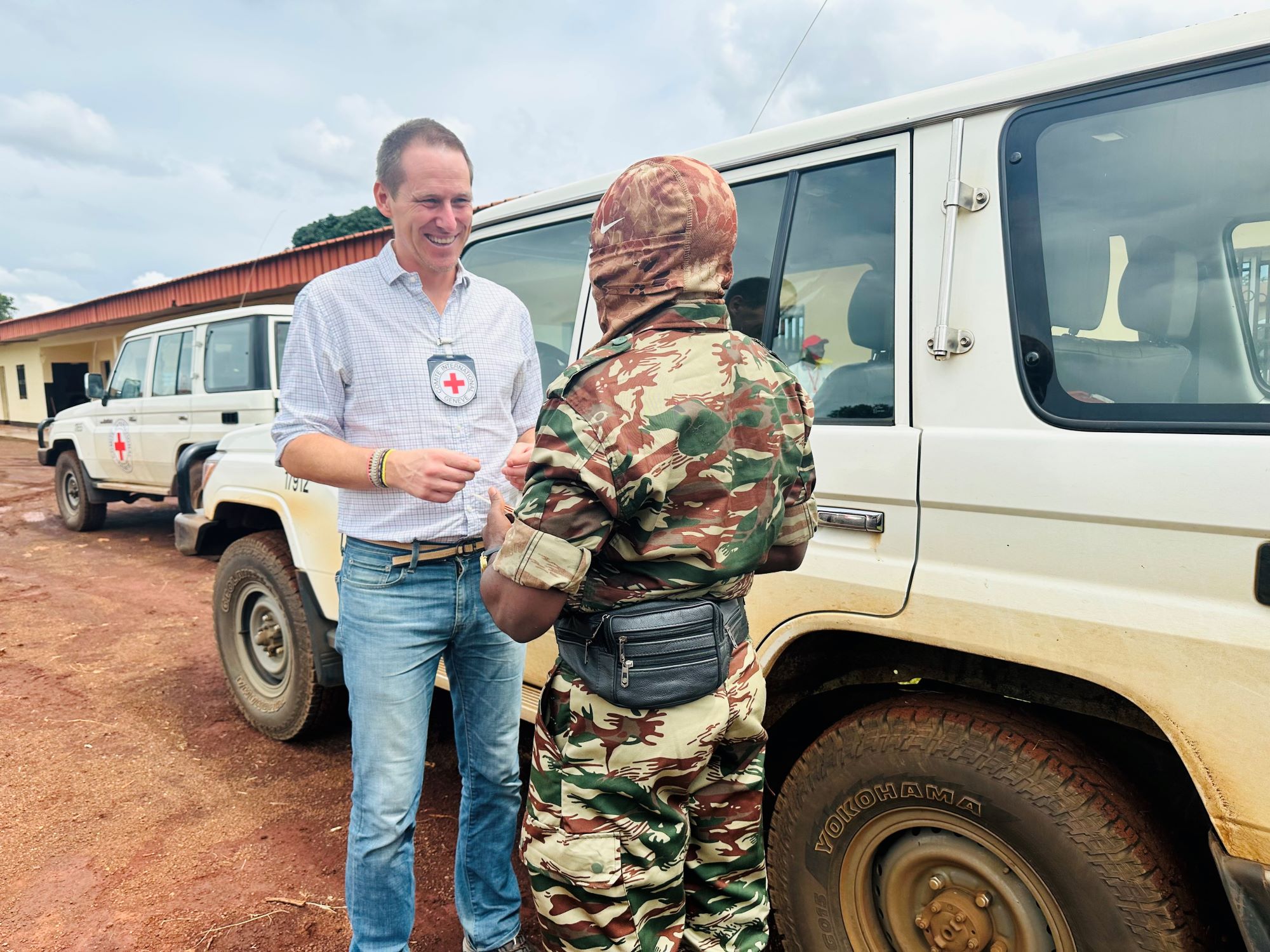
Engage with weapon bearers to promote legal compliance
We work directly with military and police forces and non-State armed groups to reduce violations of international humanitarian law and international human rights law. By analysing conflict dynamics and patterns of excessive use of force, we design strategies that address the root causes of violations and encourage respect for the law.
Develop and deliver targeted programmes
Through a practitioner-to-practitioner approach, we help weapon bearers integrate legal obligations into their doctrine, training, equipment and sanctions. This ensures that humanitarian principles are embedded in everyday operational practice.
Build and maintain strategic networks
We map and cultivate relationships with weapon bearers to strengthen their understanding and acceptance of the ICRC’s role. These networks improve staff safety, expand humanitarian access and support broader dialogue on protection-related issues at the delegation level.
Protect civilians by changing behaviour
Our engagement directly impacts the lives of civilians by fostering behavioural change among weapon bearers, reducing violations and promoting dignity and protection in conflict-affected areas.
Turn law into practice for lasting impact
By translating legal frameworks into concrete action, we make sure that principles of international law move beyond theory to shape real-world decisions, thus safeguarding lives and enabling humanitarian action in even the most volatile contexts.
For more information, please see the main What We Look For page.
At the ICRC, our delegates working with weapon bearers play a crucial role in promoting respect for international humanitarian and human rights law. Drawing on their professional experience in policing or the military, they help translate legal norms into operational practice, reducing the humanitarian impact of law enforcement operations and armed conflict. We look for people with proven expertise, leadership skills and the ability to engage with diverse players in complex environments.
Delegates in charge of relations with police and law enforcement bodies
You build on your experience in areas such as public order management, criminal investigation, special tactics or police leadership and training. By working directly with law enforcement officers, you help them plan and conduct operations that respect the law and minimize the humanitarian consequences.
Delegates in charge of relations with military and armed groups
You leverage your extensive military expertise in planning, decision-making and the conduct of operations. By engaging with both State and non-State armed groups, you support the integration of international humanitarian law into military practice, thus helping to protect civilians and reduce the impact of conflict.
For more information, please see the main What We Look For page.
Watch our videos:
▶️ Work for the ICRC – Delegate in Charge of Relations with Police and Security Forces
▶️ Work for the ICRC – Armed Forces and Non-State Armed Groups Delegate
Read our leaflets:
▶️ Work with Us: Armed Forces and Non-State Armed Groups Delegate
▶️ Work with Us: Police and Security Forces Delegate
For more information, please see the main What We Look For page.